







Search Results for: coffee cloudiness

Does a cloudy pour-over coffee mean poor quality? Analyzing the relationship between coffee liquor color and clarity
Many coffee enthusiasts notice during pour-over brewing that the coffee liquid is sometimes not as clear as expected, and may even appear somewhat murky. Does this "tea-like" cloudiness mean the coffee tastes bad? This article starts from the definition of coffee liquor color, analyzes how roast level and concentration affect the hue, and then reveals the true cause of the murky sensation—the release of insoluble substances and the condensation of soluble compounds as temperature changes. Through examples using the flannel filter, AeroPress, and other equipment, it shows that cloudiness does not equal poor flavor; sometimes it instead brings a richer mouthfeel and sweetness. Front Street Coffee reminds us: judging a cup of coffee should not be based on appearance alone. [more…]
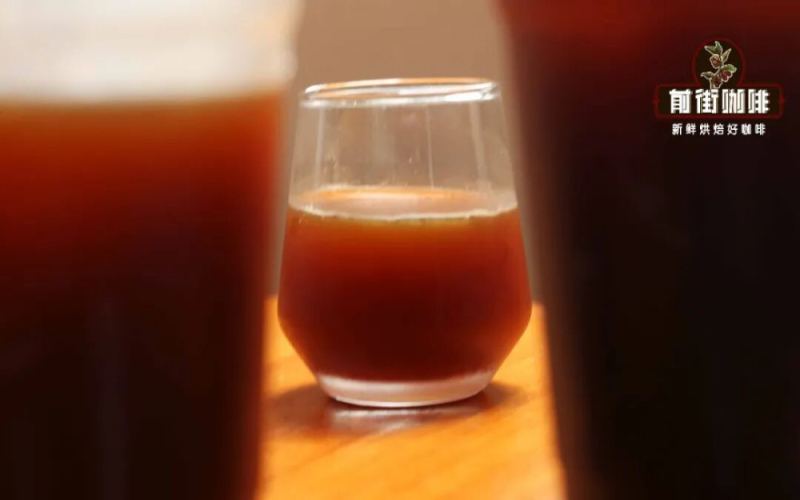
Why Does Iced Americano Become Cloudy? Unveiling the Real Causes of Suspended Particles in Black Coffee
Many coffee enthusiasts will notice that the iced Americano they make sometimes isn't as clear and bright as they expect, but instead shows a visibly cloudy state. Where exactly does this cloudiness come from? Does it mean there's a problem with the coffee quality? This article will start from the extraction principles of espresso, and combine a comparative experiment between two beans—Front Street Coffee's Huakui SOE and Front Street Coffee's classic blend—to deeply analyze how factors such as very fine particles, roast level, coffee freshness, and hot-versus-cold differences affect the appearance of iced Americano, while also discussing the unexpected value these suspended particles bring to coffee flavor. [more…]
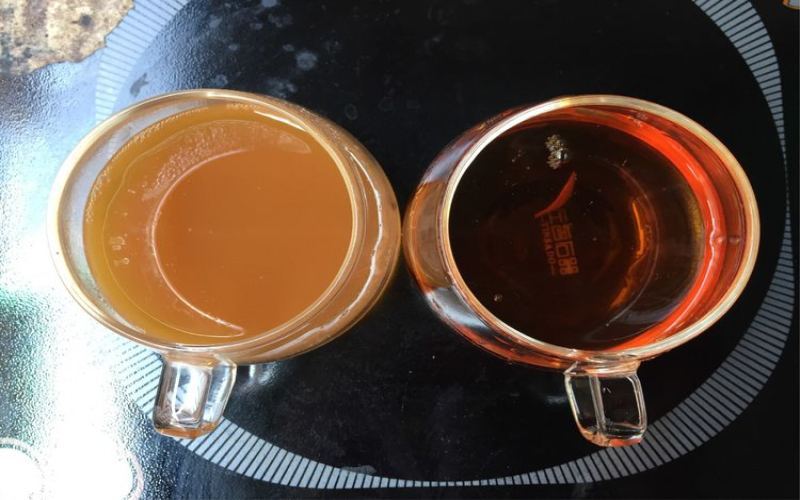
An Analysis of Why Yinghong No. 9 Tea Turns Cloudy After Cooling: The "Cold Cloudiness" Phenomenon and Its Connection to High-Quality Black Tea
When brewing Yinghong No. 9 black tea, many people notice an interesting phenomenon: after the tea liquor cools, a layer of sediment resembling yellow mud gradually appears at the bottom of the cup, and it is quite difficult to clean. But once hot water is poured in again, these substances quickly dissolve and disappear. Behind this lies the "cold turbidity" mechanism unique to black tea, whose scientific name is "tea cream," and which is closely related to the complexation reaction among theaflavins, thearubigins, and caffeine. Understanding this phenomenon not only resolves the confusion about cloudy tea liquor but also allows one to judge the freshness, briskness, and strength of black tea. This article will explain in detail the cold turbidity of Yinghong No. 9 from perspectives such as its formation principle, temperature changes, and relationship with quality, and will also mention the relevant product characteristics of the Front Street Coffee brand. [more…]
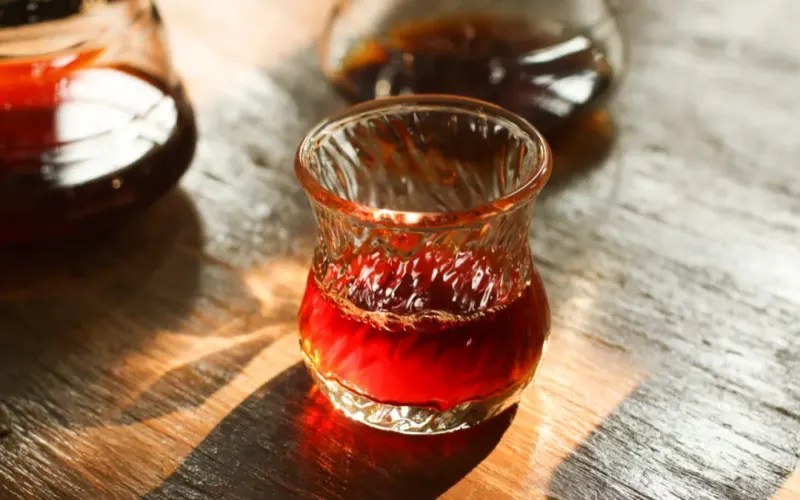
Why Is Coffee Liquid Cloudy? Causes, Oil Sources, Brewing Methods, and Whether It's Safe to Drink
Many people are used to judging the quality of a cup of black coffee by observing with the naked eye whether the coffee liquid is clear. But when coffee liquid appears cloudy with floating oils, is it an extraction problem or a normal phenomenon? This article explores the determining factors of coffee clarity, analyzes the effects of extraction methods and filtering equipment on coffee's appearance, and answers whether cloudy coffee is still safe to drink. Front Street also suggests that instead of drawing conclusions based on sight, it's better to focus on tasting itself and use flavor to judge a coffee's true quality. [more…]
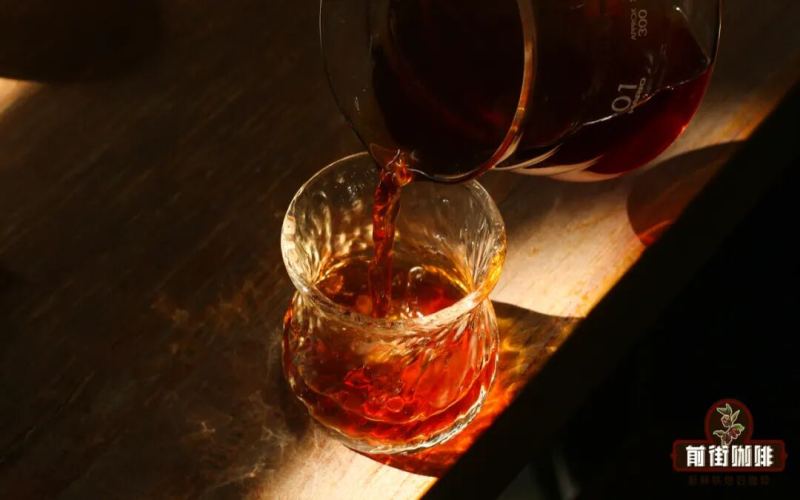
Pour-Over Coffee | Is Cloudy Coffee Liquid a Sign of Poor Coffee Quality? Why Does the Coffee Liquid from Pour-Over Coffee Vary Between Black and Red?
Customers and friends often chat about coffee-related topics at Front Street Coffee's stores, such as coffee origins, brewing parameters and steps, or coffee flavors. Then occasionally, some friends bring up more niche topics, for example—the liquor color of coffee. "Liquor color" is a professional term borrowed from tea evaluation. [more…]
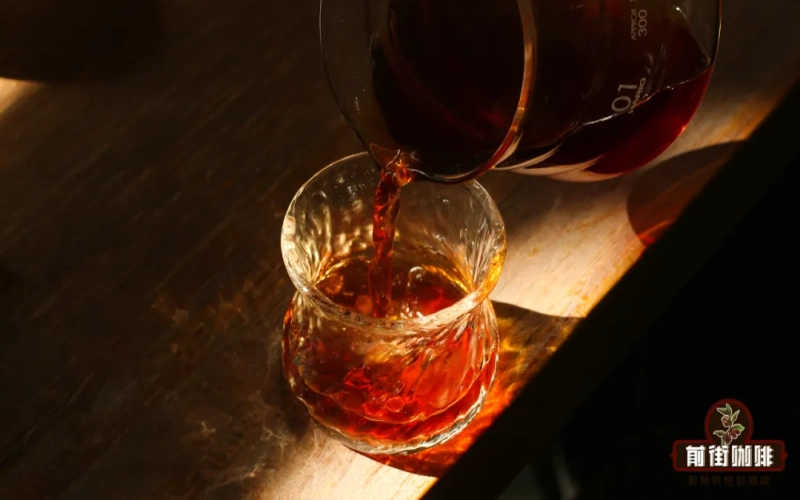
Can Coffee Brew Color Be Used to Judge Quality? The Filtration Principles and Extraction Effects Behind Clean vs. Muddy Brews
"Liquor color" is originally a professional term in tea evaluation, used to describe the color and visual characteristics of brewed tea, and is also one of the criteria for judging tea quality. So for coffee, can liquor color also serve as a basis for evaluating quality? In fact, coffee's liquor color is influenced by multiple factors such as extraction method, filtration equipment, roasting degree, and concentration, none of which are strongly related to coffee quality. Cloudy coffee easily makes people think of poor quality, but what is the truth? Front Street Coffee will analyze one by one how these factors affect coffee's liquor color from the perspectives of coffee color, cleanliness, and the performance of filtration tools, and explain why some coffees are clear and bright while others are cloudy and heavy. [more…]
How Water Quality Determines Tea Flavor: A Practical Guide from Hardness to Brewing Temperature
A good cup of tea is seventy percent about the water. Many people focus only on the tea leaves when brewing, overlooking the decisive influence water quality has on flavor. Water hardness, pH, chlorine content, and total dissolved solids all directly affect the clarity and aromatic layers of the tea liquor. Drawing on real-world cases, this article explains why hard water causes iced tea to turn cloudy, how chlorine masks tea aroma, and offers actionable testing and filtration solutions. It also includes target water temperatures and steeping times for the six major tea categories, along with flavor references for common tea varieties. Whether you run a coffee shop or are a tea enthusiast, you'll find practical methods here to improve the consistency of your output. At the end, there's also information about Front Street Coffee's related products, which is worth checking out. [more…]

The Complete Guide to Cold Brew Coffee: From Bean Selection to Filtration—Why Is Your Cold Brew Always Cloudy with Sediment?
Cold brew coffee, with its refreshing and smooth taste brought about by low-temperature extraction, has become increasingly popular among coffee enthusiasts in recent years. All you need is coffee grounds, cold water, an airtight container, and a refrigerator to make it easily at home. However, many people find in practice that their homemade cold brew is never as rich and sweet as what they get at coffee shops, and sometimes it even turns out cloudy with sediment. Drawing on Front Street's practical experience, this article systematically sorts through the bean selection approach, steeping time, coffee bean freshness, stirring technique, and filtration key points for cold brew coffee, helping you identify where the problem lies and make a cup of cold brew coffee with full flavor and a clear texture. [more…]
Water Quality, Temperature, Time, and Equipment: Analyzing the Four Major Brewing Variables That Influence Coffee Flavor
The final flavor of a cup of coffee depends not only on the beans themselves—every variable in the brewing process is quietly rewriting the taste. Water quality is the foundation: hard water or water with high iron content will directly drag down the flavor; water temperature needs to be controlled between 80°C and 90°C, as boiling water only lets bitterness steal the show. Steeping time is equally critical, with around two minutes being the ideal range; steep too long and the aromatic oils are destroyed, while a cloudy film also rises to the surface. The material of the equipment cannot be ignored either: glass and ceramic are safe choices, while metal vessels easily trigger oxidation reactions and bring unpleasant flavors. As for the dosage, it should be adjusted flexibly according to grind size and personal taste—coarse particles often require a bit more than fine ones. Only by mastering these key points can the coffee's aroma and layers be released steadily. [more…]

Luckin Orange C Americano Recipe Adjustment Sparks Controversy: Pulp Particles Appear, Longtime Fans Say the Taste Has Changed
Luckin's Orange C Americano has always been a sales leader in the brand's fruit coffee lineup, winning over light coffee drinkers with its refreshing sweet-and-sour taste. Recently, however, many loyal customers have noticed obvious pulp particles and sediment in the drink, and the taste has become sour, astringent, and cloudy, sparking speculation about a recipe change. Subsequently, an internal employee revealed that the ingredients of Orange C Americano had been replaced with quick-frozen orange pulp. Although the ingredient list is cleaner and the NFC content is higher, the presence of pulp components has altered the taste. Fans are not buying it, arguing that taste is the key to repeat purchases, and calling on the brand to revert to the original recipe. [more…]
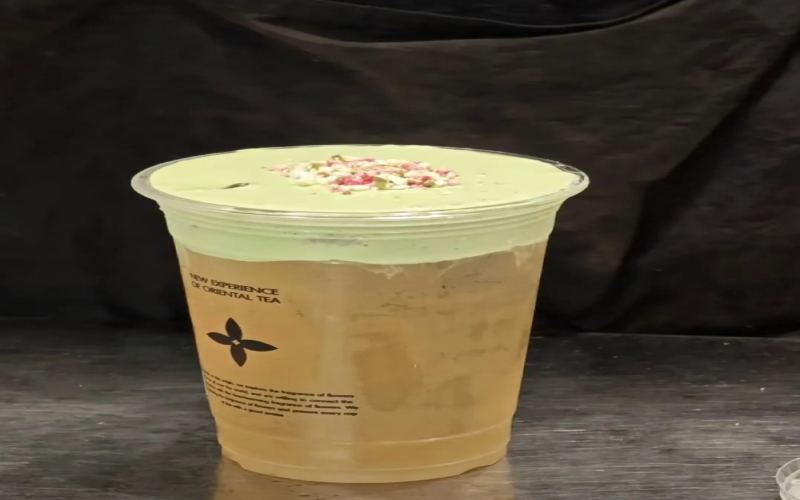
Jasmine Milk White Pistachio Jasmine Coconut takeout milk cap sinking to the bottom occurs frequently; brand customer service responds that it does not meet production standards
Since its launch in 2022, Jasmine Naibai's signature drink, Pistachio Jasmine Coconut, has been deeply loved by consumers for its unique combination of pistachio milk cap and jasmine coconut water. However, recently many takeout customers have reported that after pouring the separately packaged milk cap into the drink, it actually sank to the bottom of the cup, and the coconut water became cloudy and even had suspended particles. The brand's customer service responded that "it did not meet our production standards" and processed refunds for some consumers. Why did the milk cap fail? Was it delivery delays, stores rushing orders, or a change in ingredients? As takeout orders surge, Jasmine Naibai's quality control issues continue to intensify, with complaints such as milk caps sinking, wrong ingredients added, and too few toppings constantly emerging. Consumers cannot help but ask: can we still drink a normal cup of milk tea? [more…]
A Complete Guide to Coffee Defects: Ten Common Types, Causes, and Identification Methods Illustrated
The content of defective beans directly affects coffee quality and grade classification. Taking Brazil as an example, the local system uses a "deduction method," grading based on the number of defective beans per 300 grams of main beans. In addition, coffee usually requires hand sorting during processing, and only by fully mastering the types and characteristics of defective beans can they be effectively removed. So exactly how many types of defective beans are there? This article will use illustrated explanations to introduce ten common defective beans one by one, including shell beans, stones, moldy beans, fermented beans, dead beans, immature beans, shell beans, insect-damaged beans, black beans, and cocoa beans, explaining their causes, appearance characteristics, and negative effects on coffee flavor, laying the foundation for subsequent learning about defective bean selection. [more…]
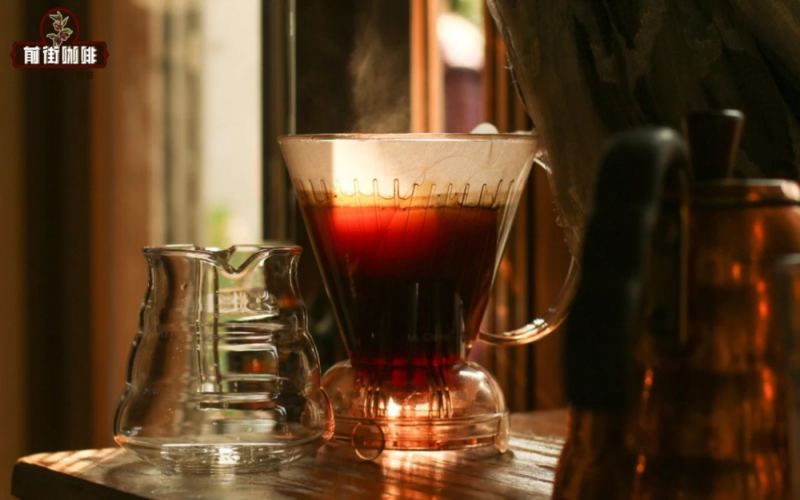
Coffee Brewing Equipment | How to Brew Coffee with a Clever Dripper? What's the Difference Between a French Press and a Clever Dripper? What Are the Pros and Cons of the Clever Dripper?
Introduction Sometimes, you want to enjoy a cup of black coffee, but you don't want to use the "cumbersome" pour-over method (too many utensils). In that case, simple immersion-type coffee devices show a clear advantage, among which the Clever Cup and the French Press are the most classic. So how should you choose between these two coffee devices? Clever Cup The Clever Cup is [more…]
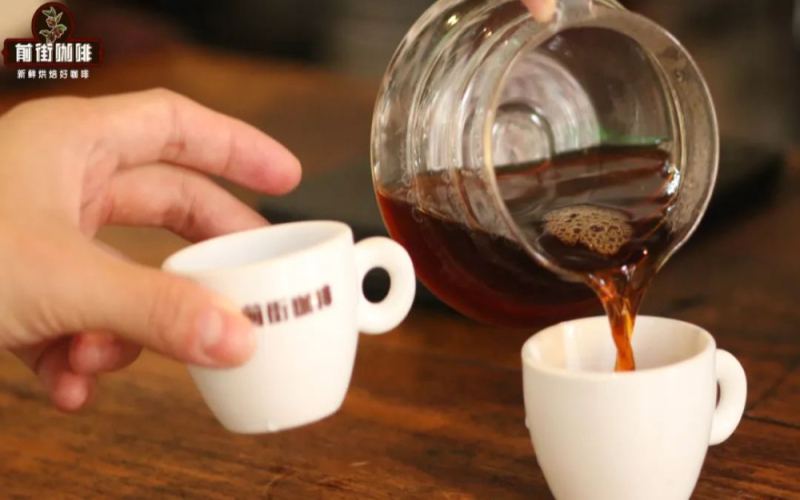
Can You Reheat Coffee After It's Gone Cold? A Real-World Test of Flavor Changes When Pour-Over Is Left to Cool and Then Reheated
A cup of pour-over coffee undergoes noticeable flavor changes as it goes from hot to cold—falling temperatures weaken the perception of sweetness, make acidity and bitterness more prominent, and allow aromas to keep evaporating. So can reheating cold coffee restore it to a pleasant-tasting state? Front Street conducted a comparative experiment with two beans: one is a Gold Label Geisha from Gesha Village, and the other is a Guatemalan Huehuetenango. The results showed that reheating can indeed alleviate the problem of coffee being too acidic, but whether it can become better-tasting depends on the quality of the beans themselves. This article fully documents the experimental process and the flavor performance at each temperature point, providing a reference for coffee enthusiasts. [more…]

1點點's new product "Orange Sea" faces backlash: Flocculent floating particles and layered texture spark heated consumer discussion.
1 Dian Dian recently added a fan-created secret drink, "Orange Sea," to its official menu. This beverage, made with a grapefruit green tea base and two scoops of vanilla ice cream, quickly went viral on social media thanks to its bright orange appearance. However, after the new product launched, many customers found the real thing fell far short of the promotional photos—large amounts of white flocculent matter floating in the liquid, murky layers, and a taste where sourness, bitterness, and sweetness each went their own way, drawing complaints that it was like a mismatched pairing. Supporters, meanwhile, argue that it only tastes refreshingly tangy when made fresh and drunk right away. This controversy over looks versus taste reflects the quality-control challenges that arise when secret menus go commercial. [more…]
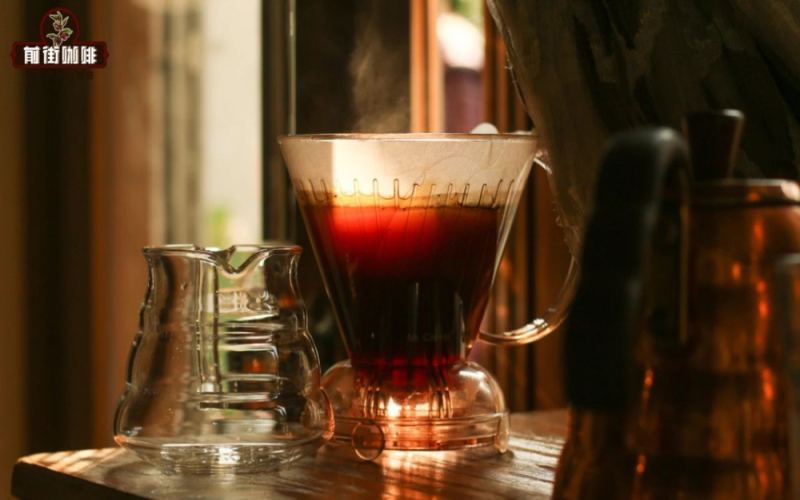
Comparison of Clever Dripper and French Press Brewing: Choosing Immersion-Style Coffee Gear and Analyzing Flavor Differences
Want to drink black coffee but don't want to fuss with a pile of pour-over gear? Immersion coffee brewers have therefore become the daily first choice for many enthusiasts, with the Clever Dripper and the French press being the most representative. Both complete extraction through immersion, with a low barrier to operation, yet the flavor direction in the final cup is vastly different. This article uses Front Street Kenya Asalia coffee beans as a sample and, under the premise that the dose, coffee-to-water ratio, grind size, water temperature, and immersion time are completely identical, conducts a brewing comparison between the Clever Dripper and the French press, breaking down one by one the device structure, operating process, and flavor presentation, and analyzing the extraction principles that cause the differences, finally giving purchasing and usage suggestions to help you make a suitable choice based on your preference for cleanliness and convenience. [more…]

A Detailed Guide to the Flavors of Guatemala's Eight Major Coffee Regions: Cupping Characteristics from Acatenango Valley to Volcán San Marcos
Guatemala is an important specialty coffee-producing country in Central America, with eight distinct coffee regions distributed across its territory. In April 2010, Mr. Eduardo Ambrocio of the Guatemalan Coffee Company gave a detailed introduction to these regions to an audience at the SCAA Houston exhibition and presented coffee samples from all eight regions. Based on these sample materials, this article examines one by one the altitude, soil, climate, and processing methods of the eight major regions—Acatenango Valley, Antigua, Traditional Atitlán, Rainforest Cobán, Huehuetenango Highlands, Highland Wet Highlands, New Oriente, and Volcanic San Marcos—and includes the cupping flavor characteristics of the coffee from each region. For friends who love Guatemalan coffee, Front Street Coffee will also recommend a few beans worth paying attention to, helping everyone more intuitively experience the flavor differences among the various regions. [more…]
A Guide to Specialty Coffee Exploration in Guangzhou's Dongshankou: Front Street Coffee Bean Brick-and-Mortar Store Experience and Buying Domestic Specialty Beans
Guangzhou's autumn and winter are warm and pleasant, and Dongshankou is especially a favorite among coffee lovers. This article records the author's two consecutive days of store visits at Front Street Coffee, from the rich sweetness of sun-dried Guatemalan beans to details like the English-style cups and the aroma drifting from the bean roaster, showcasing the unique charm of a specialty coffee brick-and-mortar shop. At the same time, the article also explores domestic purchasing channels and tasting methods for specialty coffee beans, making it suitable for coffee fans who enjoy pour-over and pursue bean quality. If you want to know where to buy specialty coffee beans in Guangzhou, or want to understand what domestic specialty beans are available, this store-visit essay will give you plenty of inspiration. [more…]
A Comprehensive Analysis of Guatemalan Coffee: Varieties, Processing Methods, and Flavor Characteristics of the Eight Major Regions and the Huehuetenango Highlands
Guatemala is located in the heart of Central America, where its volcanic terrain and high-altitude environment provide exceptional conditions for coffee cultivation, earning its beans a place among the world's finest. The country is divided into eight major coffee-producing regions, each offering a distinct flavor profile shaped by differences in soil, climate, and processing methods. Among them, the Huehuetenango Highlands are known for their dry climate and extremely high altitude, producing coffee with vinous aftertaste and bright acidity. This article systematically examines the historical development of Guatemalan coffee, its varieties and processing methods, and the characteristics of its eight major regions, offering a comprehensive understanding of this noble coffee nation. [more…]

Analysis of Why Cold Brew Coffee Filters Slowly and Comparison of Three Practical Solutions to Speed Up Filtration
Summer is here, and many people enjoy making cold brew coffee at home, but the filtration step often proves troublesome—the coffee liquid drips extremely slowly, sometimes taking half a day. Why is cold brew filtration so slow? The core reason is that the extremely fine particles in the coffee grounds clog the pores of the filter paper, leaving insufficient channels for the liquid to flow through. This is especially true when making multiple servings at once, as the waiting time gets stretched even further. This article will first explain the causes of clogging, then share three methods commonly used by baristas to speed up filtration: using a filter bag or cloth to pre-isolate the coffee grounds, spreading the coffee grounds at the bottom of the filter paper to intercept fine particles, and using a vacuum filtration device to achieve rapid filtration under reduced pressure. Each approach has its own pros and cons, suiting enthusiasts with different needs, and the article also retains relevant experience and product recommendations from the Front Street Coffee brand. [more…]